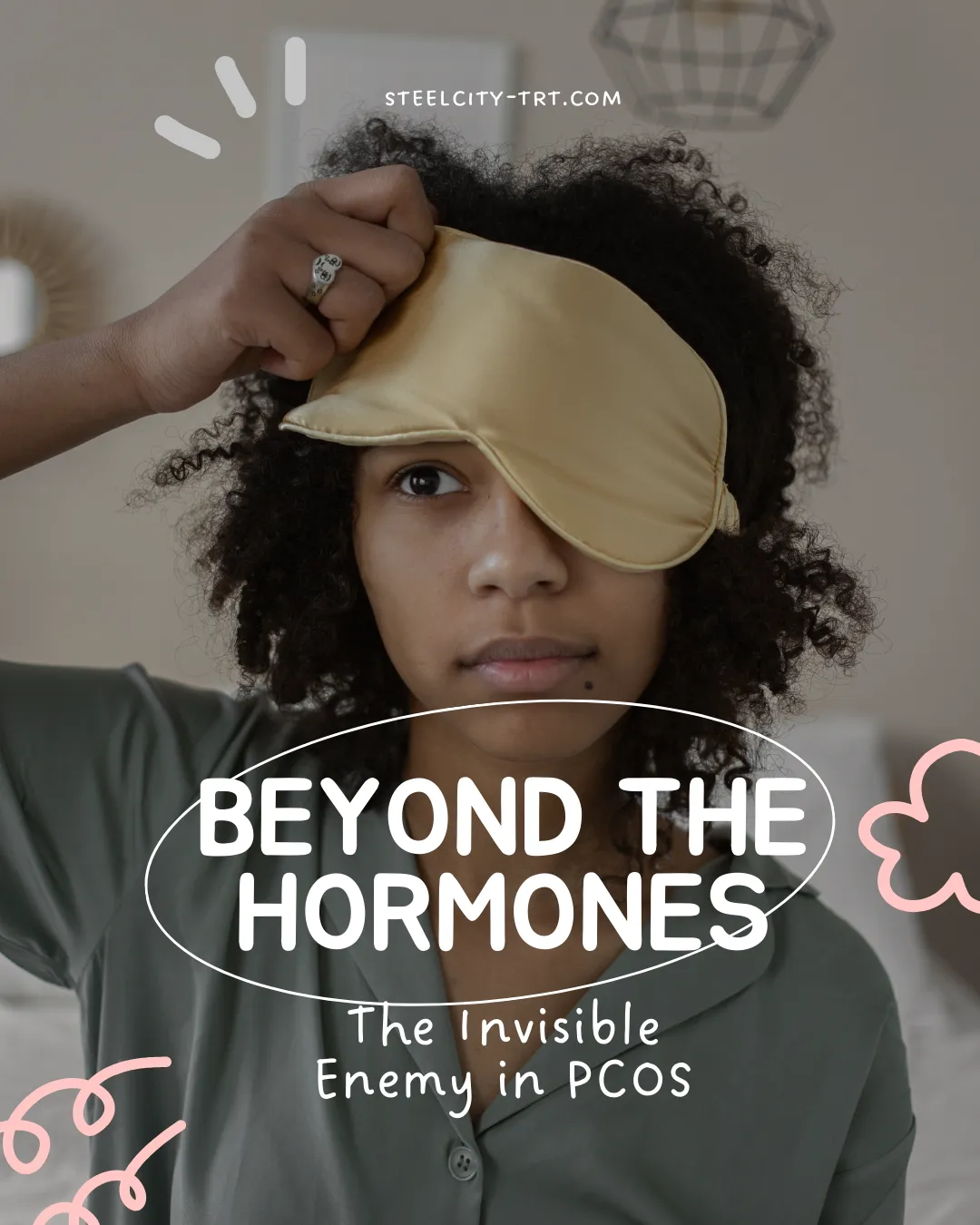
Beyond the Hormones: How Endocrine Disruptors Like BPA Increase Bioaccumulation and Cause Estrogen Receptor Malfunction in PCOS
The Invisible Enemy in PCOS
When we think of Polycystic Ovary Syndrome (PCOS), we often focus on hormones like testosterone, estradiol, and progesterone. But there’s another powerful factor silently shaping PCOS outcomes: endocrine disruptors.
These are chemicals in our environment that mimic, block, or interfere with hormones. One of the most notorious is bisphenol A (BPA), found in plastics, cans, receipts, and even household dust.
Here’s the shocking reality: women with PCOS often have higher levels of endocrine disruptors in their bodies, and this toxic load worsens hormonal imbalance, inflammation, and long-term health risks.
What Are Endocrine Disruptors?
Endocrine disruptors (EDCs) are chemicals that interfere with the body’s hormonal signaling. They can:
Mimic natural hormones like estrogen.
Block receptors, preventing hormones from working properly.
Alter detoxification pathways, leading to hormone buildup.
Disrupt fetal development, leaving long-term “epigenetic scars.”
Common endocrine disruptors include:
BPA (plastics, food can linings, receipts).
Phthalates (cosmetics, plastics, fragrances).
Pesticides like DDT and atrazine.
Industrial chemicals such as PCBs.
Why Women with PCOS Are More Vulnerable
Research shows women with PCOS tend to have higher levels of BPA and other EDCs in their bodies. Why?
Impaired detoxification: PCOS is often associated with fatty liver disease and gut dysbiosis, which limit the body’s ability to clear toxins.
Higher fat storage: EDCs are fat-soluble and accumulate more in adipose tissue. Since many women with PCOS struggle with weight gain, this increases storage capacity for toxins.
Hormonal feedback loops: BPA and similar chemicals interfere with estrogen and androgen receptors, worsening the already fragile hormone balance in PCOS.
How BPA and Other EDCs Affect Hormones in PCOS
Estradiol signaling is weakened: BPA binds to estrogen receptors but doesn’t activate them properly, essentially “blocking the lock” without opening the door.
Estrone dominance is worsened: With estradiol weakened, estrone (E1) has more influence, fueling inflammation.
Testosterone metabolism is altered: EDCs interfere with aromatase and other enzymes, leaving androgens elevated.
Fetal exposure matters: Studies suggest that in-utero exposure to BPA may alter estrogen receptor function, predisposing daughters to PCOS-like symptoms later in life.
The Real-World Consequences
For women with PCOS, this toxic load leads to:
More severe insulin resistance.
Worsening inflammation and weight struggles.
Greater difficulty restoring normal cycles and ovulation.
Higher risk of metabolic syndrome, diabetes, and cardiovascular disease.
Endocrine disruptors don’t just make PCOS harder to manage—they may actually help cause or worsen it over time.
What You Can Do to Reduce Exposure
Ditch plastics when possible: Use glass or stainless steel for food storage and water bottles.
Skip thermal receipts: BPA is heavily concentrated in receipts—touch them less.
Choose clean cosmetics and household products: Look for BPA-free, phthalate-free, and fragrance-free options.
Support detoxification: Prioritize liver health with fiber, cruciferous vegetables, adequate hydration, and gut support.
Work with providers who understand toxins: Precision care should address not only hormones but also environmental health.
Takeaways
Women with PCOS often have higher levels of BPA and other endocrine disruptors.
Endocrine disruptors mimic, block, or weaken estrogen signaling, worsening estradiol insufficiency.
EDCs accumulate in fat tissue and overwhelm detoxification systems, fueling inflammation.
Reducing exposure to plastics, pesticides, and phthalates can help improve PCOS outcomes.
Addressing toxic load is as important as balancing hormones in PCOS treatment.
Final Word
Hormones tell only part of the PCOS story. The hidden players—endocrine disruptors like BPA—add another layer of complexity, making symptoms harder to manage and long-term health risks more severe. By acknowledging the role of toxins and taking steps to reduce exposure, women with PCOS can regain more control over their hormonal balance and overall wellness.
References
Azziz, R., Carmina, E., Chen, Z., Dunaif, A., Laven, J. S., Legro, R. S., ... & Yildiz, B. O. (2016). Polycystic ovary syndrome. Nature Reviews Disease Primers, 2(1), 1-18. https://doi.org/10.1038/nrdp.2016.57
Legro, R. S. (2013). Obesity and PCOS: implications for diagnosis and treatment. Seminars in Reproductive Medicine, 31(6), 496–506. https://doi.org/10.1055/s-0033-1356480
Tarantino, G., Valentino, R., Di Somma, C., D’Esposito, V., Passaretti, M., Pizza, G., ... & Savastano, S. (2013). Bisphenol A in polycystic ovary syndrome and its association with metabolic traits: a systematic review and meta-analysis. Reproductive Toxicology, 42, 132–138. https://doi.org/10.1016/j.reprotox.2013.08.007
Diamanti-Kandarakis, E., Bourguignon, J. P., Giudice, L. C., Hauser, R., Prins, G. S., Soto, A. M., ... & Gore, A. C. (2009). Endocrine-disrupting chemicals: an Endocrine Society scientific statement. Endocrine Reviews, 30(4), 293–342. https://doi.org/10.1210/er.2009-0002


Facebook
Instagram
Youtube
TikTok
Website